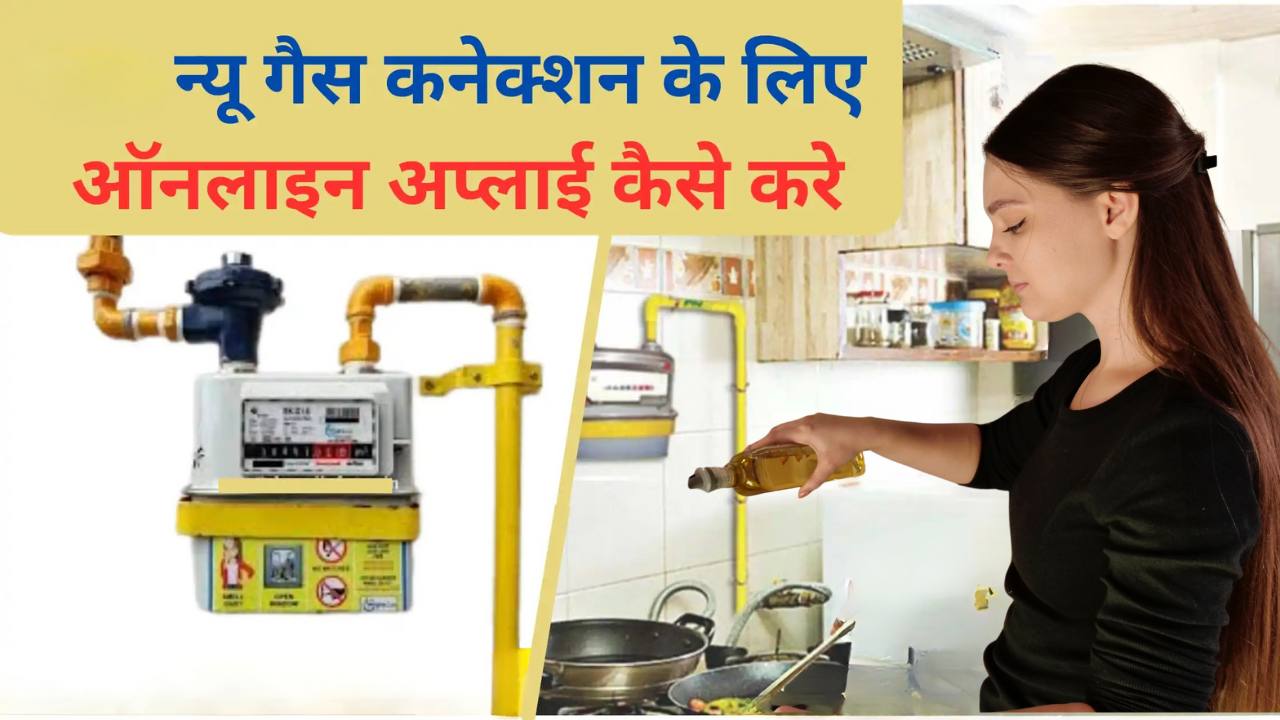
Piped Natural Gas (PNG) has rapidly become the preferred fuel source for urban households, replacing the hassle of LPG cylinders. With the Government of India actively pushing the expansion of City Gas Distribution (CGD) networks (targeting 12.6 crore connections by 2034, as per recent PNGRB reports), now is the perfect time to switch to this clean, convenient, and cost-effective fuel.
This article provides a detailed, step-by-step guide on how to secure a new domestic PNG connection and offers expert tips to make the entire process smooth and fast.
Advertisements
Key Steps to Getting Your PNG Connection
The process of getting a new gas pipeline connection is standardised across major CGD companies in India, such as IGL (Indraprastha Gas Limited), MGL (Mahanagar Gas Limited), Gujarat Gas, Adani Total Gas, and GAIL Gas.
Step 1: Check Area Availability (The Foundation)
Before starting, you must confirm that the gas pipeline network has reached your specific locality or society.
Identify Your Provider: Determine which CGD company has the authorisation (from PNGRB) to operate in your city or Geographical Area (GA).
Check Availability Status: Visit the official website of your CGD company. Look for sections like “New Connection,” “Check Feasibility,” or “Charged Area Status.” You will typically need to input your city, sector/area, and sometimes your society name.
Actionable Tip: If your area is not yet listed, contact the company’s helpline. They can provide a tentative timeline for when the laying work is scheduled for your block or society.
Advertisements
Step 2: Online Registration and Application Submission
Most companies now prioritise the online application method for speed and transparency.
Visit the Official Portal: Go to your CGD provider’s website and navigate to the “New Domestic PNG Connection” link.
Fill the Application Form: Provide mandatory details:
Personal details (Name, contact, email).
Complete installation address.
Type of connection (Residential/Domestic).
Submit Documents (E-KYC): Upload scanned copies of the required documents (see list below). Many providers offer an e-KYC option using Aadhaar for quick verification.
Step 3: Payment of Initial Charges
Upon successful registration, you will be prompted to make the initial payment, which typically includes two main components:
Charge Type
Description
Status
Registration/Processing Fee
Non-refundable administrative and stamp duty charges.
Non-Refundable
Security Deposit
Interest-free deposit for the gas meter and the connection itself.
Refundable (upon permanent disconnection)
Consumption Deposit
An additional security deposit for gas consumption (optional for some schemes).
Refundable
Payment Options: Most companies offer full payment or an Instalment Scheme where a portion of the refundable deposit is collected over several bi-monthly bills, making the upfront cost lower.
Step 4: Site Survey and Technical Feasibility Check
Once payment is confirmed, the company will schedule a visit by their technical team.
Purpose of Survey: The team assesses the site’s technical feasibility, determines the optimal route for the internal piping (from the main riser to your kitchen), and confirms the meter location.
Key Decision Point: This is where you finalise the placement of the meter (must be well-ventilated) and the path of the pipeline (internal and external) to the appliance point.
Advertisements
Step 5: Installation and Activation
This is the final physical step to complete your PNG connection.
Laying the Pipeline: Technicians will lay the GI/Copper pipeline from the main riser in your building to the designated meter location, and then the final pipe extension into your kitchen.
Meter Installation: The gas meter, regulator, and main isolation valve are installed, usually in an easily accessible, ventilated area (like a balcony or outside the kitchen).
Stove Conversion: The company’s technician will modify the existing burners on your LPG stove to make them compatible with the lower pressure of PNG.
Testing and Commissioning: A final leak test is conducted, the system is commissioned, and the gas supply is activated.
Essential Documents Required for PNG Connection
To avoid delays, ensure you have clear, current copies of the following documents:
Category
Document Options (Any Two Required)
Purpose
Identity Proof (ID)
Aadhaar Card, Passport, Voter ID Card, PAN Card, Driving License.
Applicant verification.
Address/Ownership Proof
Last Paid Electricity Bill, House Tax Receipt, First 5 pages of Property Sale Deed/Allotment Letter, Lease/Rent Agreement (if tenant).
Premises ownership/occupancy proof.
Photographs
1-2 Recent Passport-sized Photographs.
Application record.
For Tenants: If you are a tenant, you will typically need the No Objection Certificate (NOC) from the property owner, along with a copy of their Ownership Proof and ID.
5 Tips to Make the PNG Connection Process Easier and Faster
To leverage the current infrastructure drive and minimise waiting time, follow these expert tips:
1. Coordinate with Your Housing Society (Crucial for Apartments)
If you live in a multi-story apartment building, the fastest way is often through a bulk application. The CGD company will prioritise an entire society over individual applications, as it streamlines the laying of the main vertical risers.
Action: Contact your RWA or Society Manager and encourage a unified application drive.
2. Go 100% Digital
Avoid the long queues and paperwork of offline applications.
Action: Apply exclusively through the official website or mobile app. This allows for instant document submission, online payment, and real-time application tracking.
Advertisements
3. Clear the Pipe Route Before Survey
A major cause of delay is technical disagreement on the installation day.
Action: Before the site survey, decide on the shortest, safest route for the pipe run. Ensure walls are accessible, clutter is removed, and any old LPG connections/trolleys are cleared from the proposed area.
4. Be Available for Installation & Testing
The company works on a tight schedule. Missing a scheduled survey or installation slot can set you back by weeks.
Action: Block the appointment date/time on your calendar and ensure the owner or an authorised adult is present to sign documents, approve the pipe route, and witness the final pressure/leak test.
5. Check for Subsidies and Special Schemes
CGD companies often launch special schemes in newly covered GAs.
Action: Ask customer care if any promotional schemes are offering reduced security deposits, instalment options, or free gas geyser point installation.
By following this streamlined process and implementing these organisational tips, you can quickly transition to the convenience of an uninterrupted, 24×7 Piped Natural Gas connection.